


How to apply organic fertilizer correctly and effectively
In recent years, farmers have increasingly come to recognize the importance and benefits of organic fertilizers for soil health, as well as for the growth and development of crops. However, not everyone knows how to use organic fertilizers correctly to achieve optimal results. Please refer to our comprehensive guide below.
1. How to use traditional organic fertilizers
Traditional organic fertilizers are derived from sources such as animal waste and plant residues, processed through conventional composting methods. Before application, these materials must be fully composted (matured). You may also incorporate microbial inoculants—such as those found in products like VBIO—to accelerate decomposition and enhance the fertilizer's effectiveness.
The most effective way to use traditional organic fertilizers is as a "basal" application (applied to the soil before planting). This should be done approximately 15 days prior to planting; this timeframe allows the nutrients to dissolve into the soil, making them more readily available for absorption by the crops.
When applying the fertilizer, you can distribute it along planting rows, place it directly into planting holes (mixing it with the soil), or spread it across the entire soil surface before tilling it in and covering it with a layer of soil.
2. How to use commercial (industrial) organic fertilizers
Regarding bio-organic fertilizers: These are fertilizers produced through biological processes, involving the blending of various organic materials to enhance their efficacy when applied to crops.
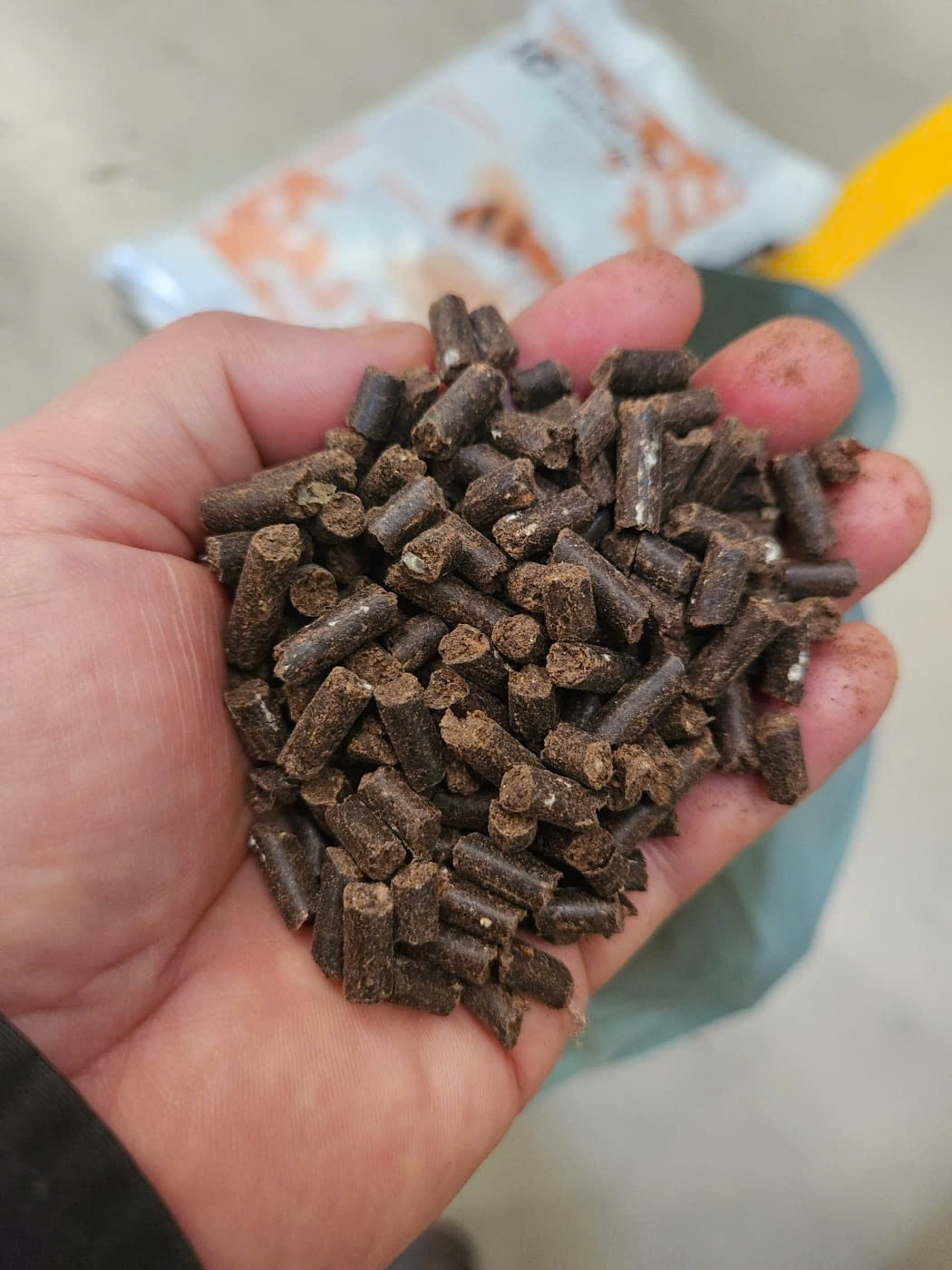
Figure 2 – Organic fertilizer imported from Europe
Bio-organic fertilizers can be used as a basal dressing (applied before planting), a top dressing (applied during the growing season), or as a foliar spray. Specifically:
- For perennial crops: Mix the fertilizer with the soil, place it directly into the planting hole, or dig a trench around the planting site.
- For top dressing: Dig a trench around the perimeter of the plant's canopy, then cover it back up with soil.
Regarding microbial organic fertilizers: These contain beneficial microorganisms that become active in the soil, helping to improve soil structure (making it loose and porous) and breaking down nutrients into forms that are easily absorbed by plants. Furthermore, these microorganisms form a protective layer around the plant's root system, which helps shield the plant from dangerous pathogens.
Microbial organic fertilizers are best suited for basal dressing, though they can also be used for top dressing. The application methods are similar to those used for general bio-organic fertilizers. However, please note the following:
- Basal dressing: Suitable for all types of crops.
- Top dressing: Primarily intended for perennial crops.
Microbial organic fertilizers are particularly effective in newly cultivated land, as such soil often contains a variety of symbiotic microorganisms; the microbes within the fertilizer also require a food source to survive. Additionally, you may apply traditional organic fertilizers to provide an extra food source for the microorganisms present in the soil.
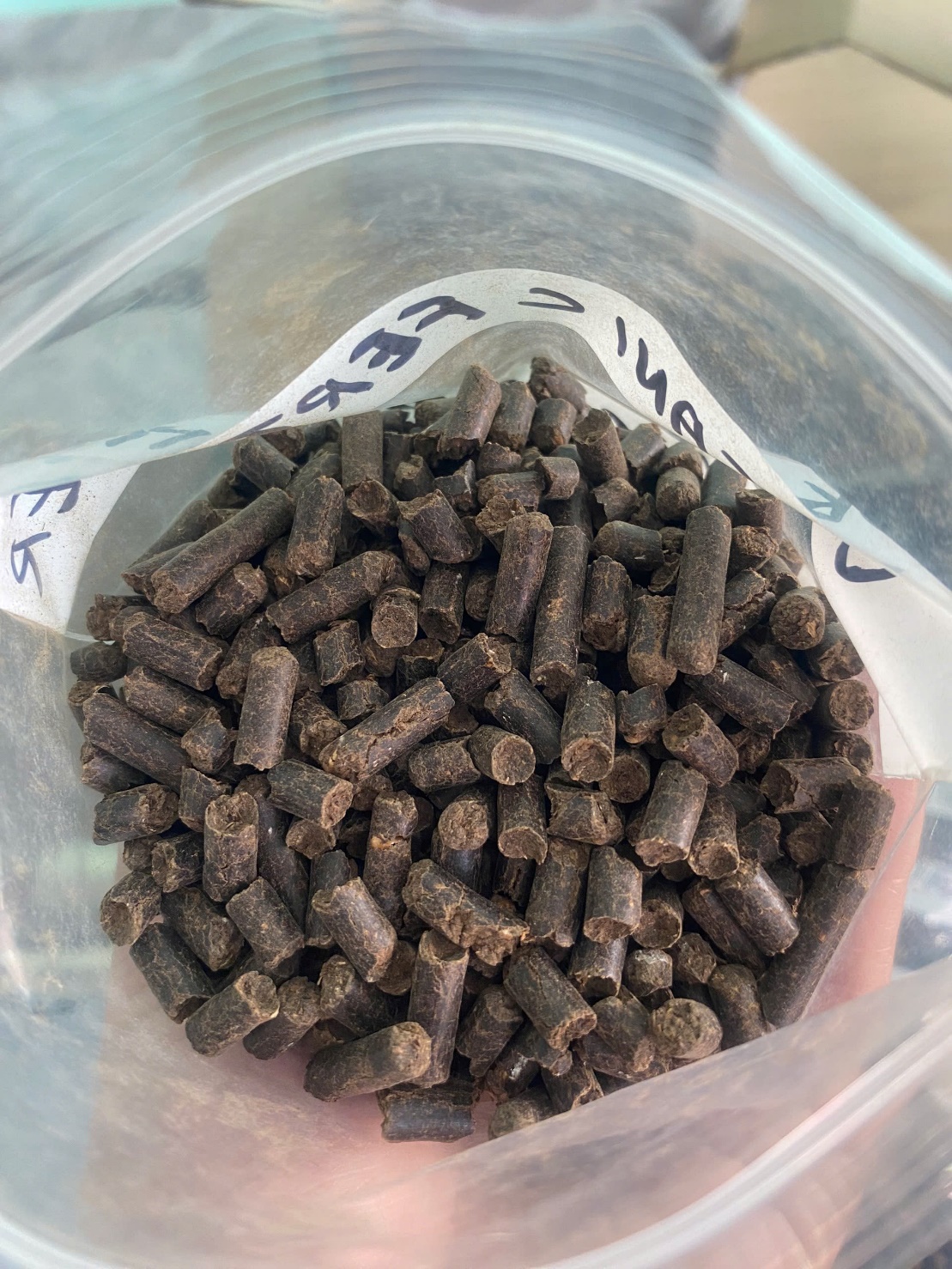
Figure 3: Imported Japanese organic fertilizer in powder form
Note: When using microbial organic fertilizers, it is advisable to limit the use of chemical fertilizers and synthetic pesticides. Such chemicals can kill beneficial soil organisms, thereby reducing the effectiveness of the organic fertilizer. You should wait approximately 30 days after applying organic fertilizer before resuming the use of synthetic pesticides.
3. How to use organic-mineral fertilizers
This type of organic fertilizer is enriched with 8% to 18% inorganic nutrients. Due to this inorganic content, these fertilizers can be used for both basal application (at planting) and top-dressing, as plants can absorb the nutrients more rapidly than they would from other types of organic fertilizers.
Application methods include digging a trench around the plant canopy and covering it with soil. However, one should avoid overusing organic-mineral fertilizers, as this can lead to organic toxicity in plants and the accumulation of inorganic residues in the soil.
4. Important considerations before applying organic fertilizers
Plants absorb nutrients that are in a soluble organic form and consist of small molecules. Therefore, when unprocessed organic fertilizers are applied to the soil, they require a period of time to decompose before the plants can effectively absorb the nutrients.
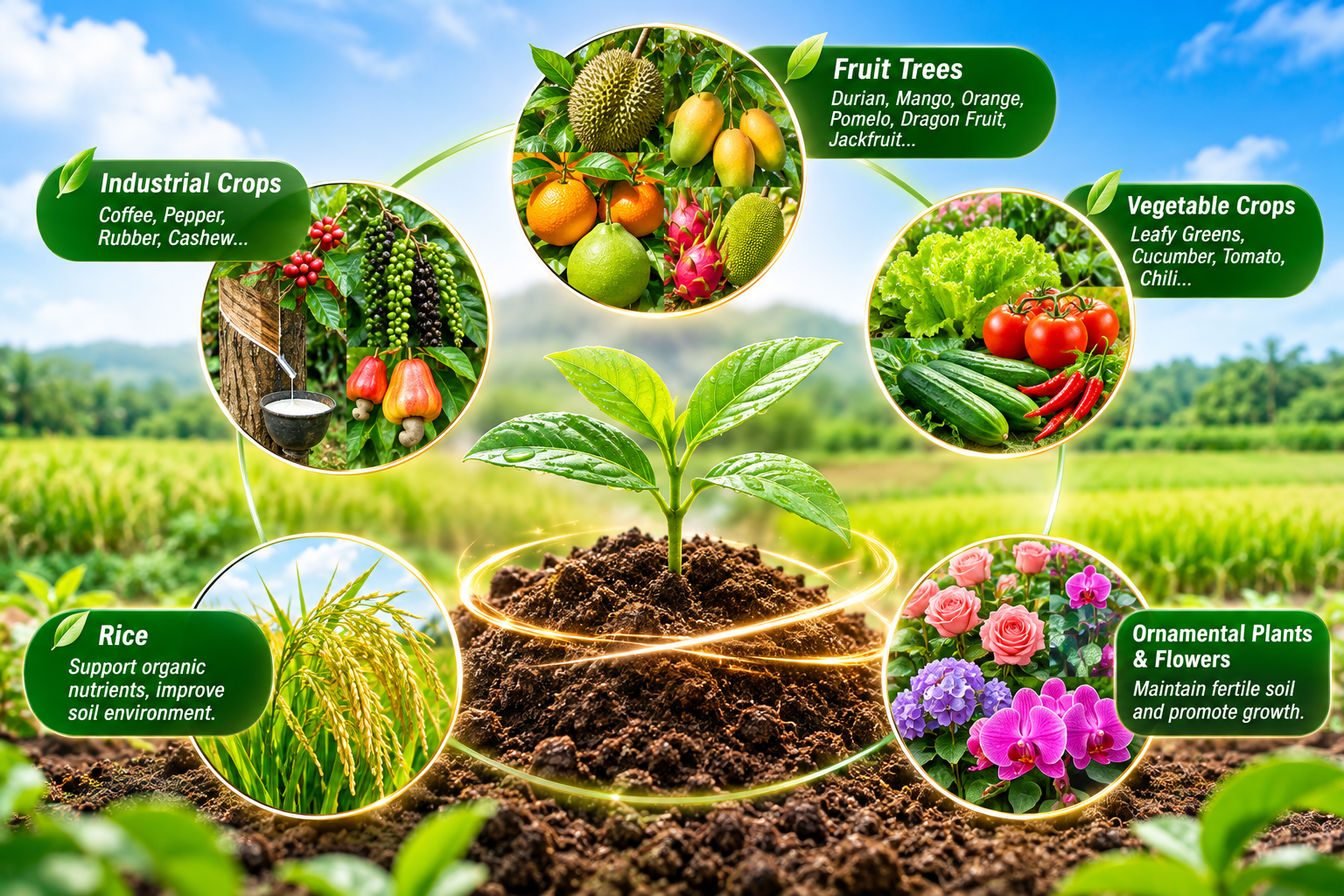
Organic fertilizer is suitable for most types of plants, ranging from food crops and staple crops to fruit trees, ornamental plants, and flowers. However, the appropriate application rate varies depending on the specific type of plant.
The best way to use organic fertilizer is as a basal application (applied before planting). While it can also be used as a top dressing, organic matter requires time to decompose; therefore, if applied during the flowering or fruiting stages, the plants may not be able to absorb the nutrients in time.
When applying organic fertilizer, farmers should also take weather conditions into account.
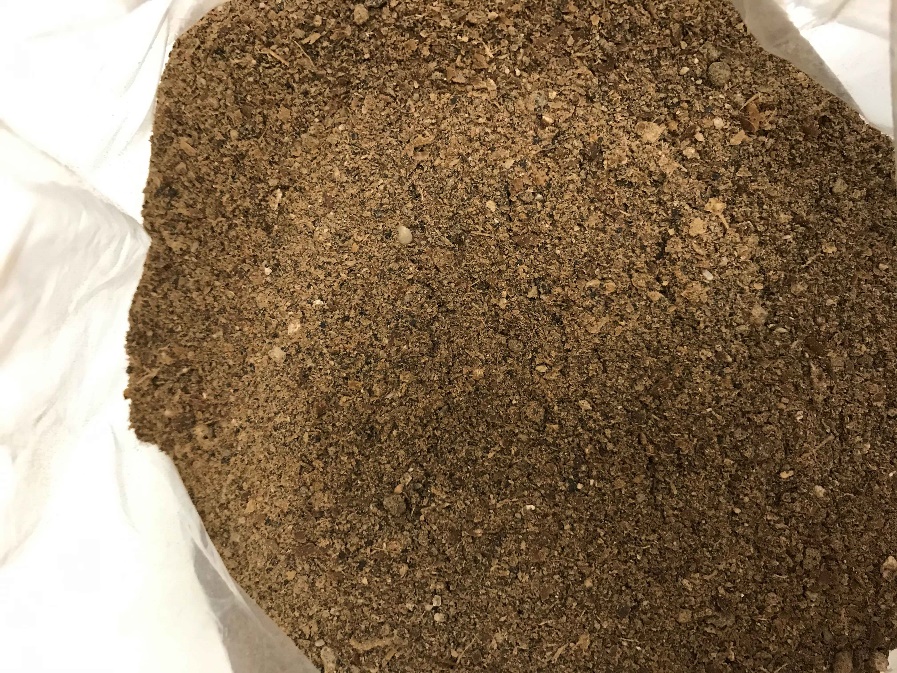
Source: Compiled
In summary, traditional organic fertilizers often require more time and labor to prepare. If you are looking for a solution that is fast, safe, and highly effective, we invite you to explore our range of imported organic fertilizers. Please leave your contact details, and we will reach out to provide a free consultation, helping you implement the most effective organic fertilization strategy!
FEATURED ARTICLES
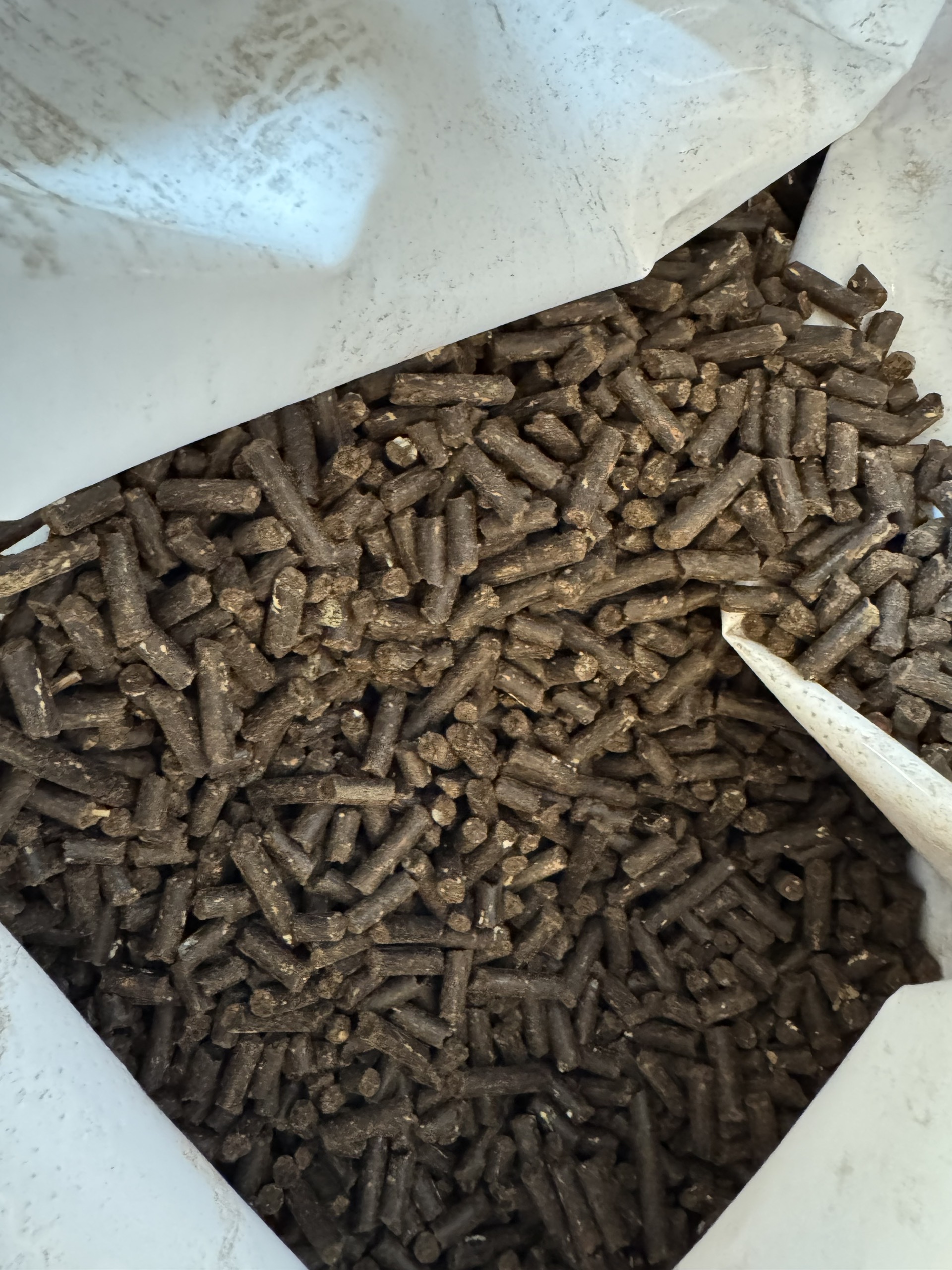
How to apply organic fertilizer correctly and effectively
ORGANIC FERTILIZERS – A SOLUTION FOR SOIL AMENDMENT, CROP NOURISHMENT, AND SUSTAINABLE AGRICULTURAL DEVELOPMENT

A GREEN JOURNEY: IMPRESSIONS FROM FARMS USING GOKU ORGANIC FERTILIZER

Discovering Progress in Agricultural Cultivation: Goku Fertilizer's Research Institute

REGISTER FOR CONSULTATION